
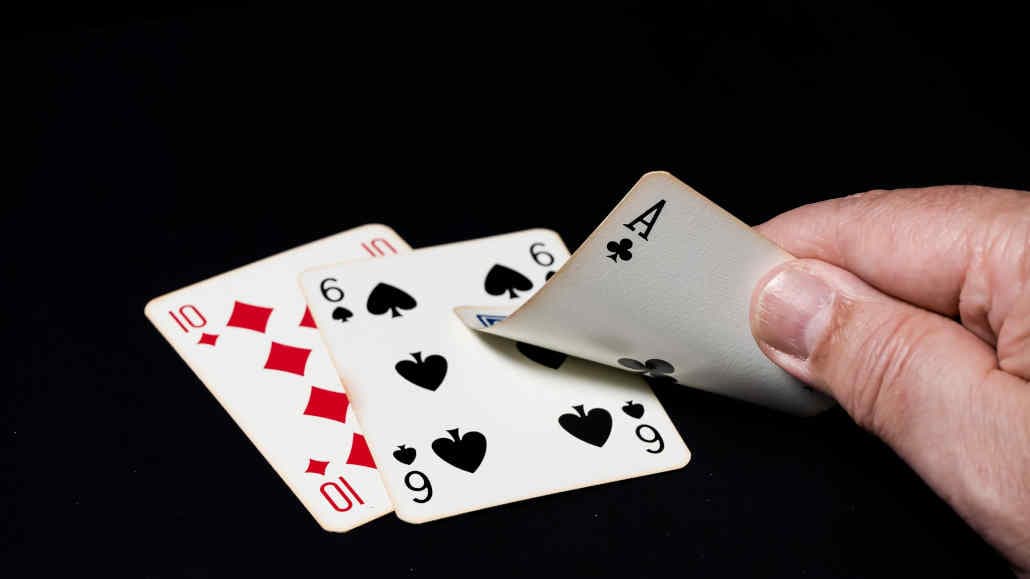


Understanding the Basics of Razz Poker
Razz poker is a classic poker variation that rewards the lowest-ranking hand. As a form of Seven-Card Stud, it challenges players to think differently about card values. Unlike Texas Hold'em, where you aim for pairs, trips, and flushes, in Razz, these hands are liabilities. The objective is simple: create the lowest possible five-card hand from seven available cards.
This game is often found in mixed-game formats like H.O.R.S.E., where it stands as the 'R'. Its unique rules make it a game of observation and patience, where reading your opponents' exposed cards is just as important as playing your own.
How Razz is Played: A Step-by-Step Guide
A hand of Razz follows the structure of Seven-Card Stud, with multiple betting rounds known as 'streets'. The game is typically played with a fixed-limit betting structure.
- Antes and the Deal: All players post a small ante. Each player then receives three cards: two face-down (hole cards) and one face-up (the door card).
- Third Street: The player with the highest ranking door card must start the action by posting a mandatory 'bring-in' bet. Action continues clockwise from there.
- Fourth Street: A fourth card is dealt face-up to each remaining player. The player with the lowest exposed hand begins the betting round.
- Fifth and Sixth Streets: The process repeats, with another face-up card dealt to each player, followed by a betting round initiated by the player showing the best (lowest) hand.
- Seventh Street (The River): The final card is dealt face-down. A final betting round occurs.
- Showdown: If more than one player remains, they reveal their hands. The player with the best five-card low hand wins the pot. Hands are read from the highest card down, so a 7-5-4-3-2 hand (a '7-low') beats an 8-4-3-2-A hand (an '8-low').
Razz Hand Rankings Explained
Mastering Razz requires forgetting conventional poker hand rankings. In this game, you're looking for five unique, low-value cards.
Remember these key rules: Aces are always low. Straights and flushes do not count against your hand. The best possible hand is A-2-3-4-5.
Here is a comparison of Razz hands, from best to worst:
| Hand | Description | Ranking |
|---|---|---|
| 5-4-3-2-A | The 'Wheel'. The perfect low hand. | 1 (Best) |
| 6-4-3-2-A | A '6-4 Low'. The highest card is a 6. | 2 |
| 7-6-5-4-2 | A '7-6 Low'. A strong hand. | 3 |
| 8-7-6-5-4 | An '8-7 Low'. Still a decent hand. | 4 |
| 3-3-5-6-7 | A pair of threes. A very weak hand. | 5 (Worst) |
Essential Razz Strategy for Beginners
Success in Razz poker relies on a solid strategy. Because several cards are exposed, you can gain significant information about your opponents' potential hands.
1. Smart Starting Hand Selection
The foundation of good Razz play is starting with strong hands. Ideally, your first three cards should all be 8 or lower. An Ace in your starting hand is a huge advantage. Avoid starting with pairs, face cards, or cards that are already duplicated in your opponents' upcards.
2. Pay Attention to Upcards
Continuously scan the table to see what cards your opponents are showing. If you need a 4 and a 6 to complete your hand, but you see three 4s and two 6s already exposed in other players' hands, your odds of hitting your hand are very low. This is crucial for deciding whether to continue with a hand.
3. Be Aggressive in Position
If you have the lowest board showing and your opponents are showing high cards ('bricks'), it's often correct to bet or raise. This applies pressure and can force players with weaker, yet potentially drawing, hands to fold. Stealing antes and bring-ins is a key part of a winning Razz strategy.


