
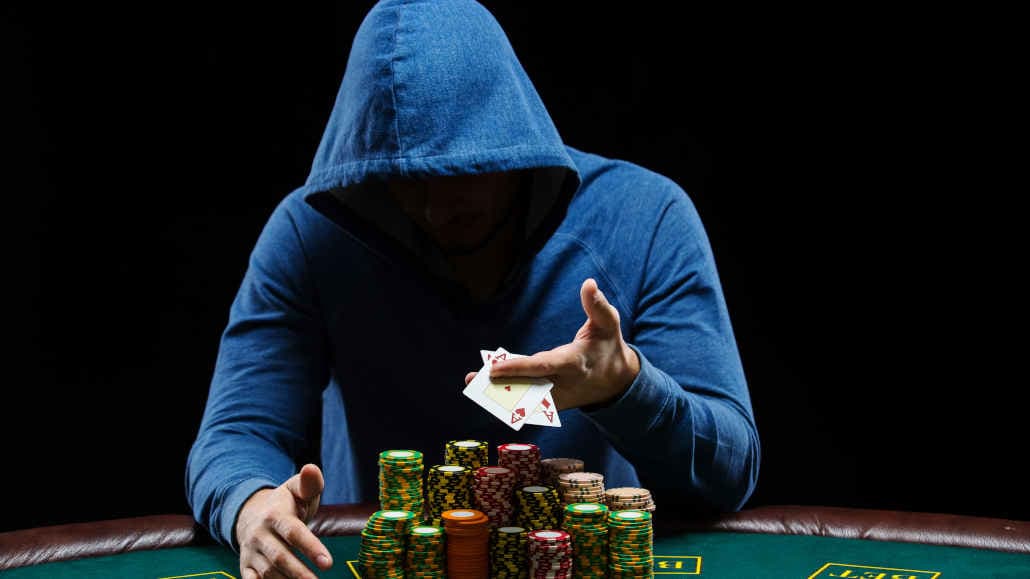


What is Tanking in Poker?
In the world of casino card games, the term tank in poker refers to the act of taking a long time to make a decision during a hand. When a player is "in the tank," they are deeply contemplating their next move, whether it's to call, raise, or fold. This pause can last from thirty seconds to several minutes, and it's a common sight in both cash games and high-stakes tournaments. Understanding poker tanking is crucial as it can be both a sign of a difficult decision and a calculated strategic maneuver.
The Psychology Behind Poker Tanking
Players tank for various reasons, ranging from legitimate thought processes to more manipulative tactics. Discerning the motive behind an opponent's tank can give you valuable information about their hand and play style.
1. Legitimate and Complex Decisions
The most common reason for tanking is facing a genuinely tough decision. This often occurs on the turn or river when the pot is large, and the action could determine the outcome of a player's entire session or tournament life. In these moments, players need time to process all available information:
- Calculating pot odds and equity.
- Evaluating their opponent's range of possible hands.
- Considering the betting history of the hand.
- Assessing potential bluffs and value bets.
2. Strategic Deception
Poker tanking is also a tool used for mind games. A player might tank before making an obvious move to create deception. For example, a player holding the "nuts" (the best possible hand) might tank before raising to feign indecision, hoping to induce a call from a weaker hand. Conversely, a player on a bluff might tank to project the image of having a marginal hand they are reluctantly playing, making their bluff more believable.
3. Tilting Opponents
One of the more controversial uses of the tank is as a psychological weapon. By consistently slowing down the game, a player can frustrate their opponents, potentially putting them on tilt. An opponent who is annoyed or impatient is more likely to make poor decisions, creating an advantage for the player who is tanking. This tactic, however, walks a fine line and is often considered poor poker etiquette.
Strategy vs. Bad Poker Etiquette
The debate over whether tanking is a legitimate strategy or simply bad manners is ongoing in the poker community. While every player is entitled to a reasonable amount of time to make a decision, excessive and unnecessary tanking is widely frowned upon. It slows down the game, reduces the number of hands played per hour, and can create a negative atmosphere at the table.
"Poker is a game of information and decisions. Taking your time on a crucial river bet is understandable. Taking two minutes to decide whether to fold a 7-2 offsuit pre-flop is not. Know the difference."
To combat excessive poker decision time, many casinos and tournaments have implemented rules. In cash games, any player at the table can "call the clock" on someone who is taking too long. An official will then give the player a set amount of time (usually 30-60 seconds) to act, after which their hand is declared dead.
The Rise of the Shot Clock
In major tournaments, the "shot clock" has become a popular solution. Each player is given a fixed amount of time for every decision, often 30 seconds. They also receive a set number of "time bank" chips, which they can use to get extra time for particularly difficult spots. This system ensures a steady pace of play while still allowing for deep thought when necessary. It has been widely praised for improving the flow of the game and making it more viewer-friendly.
How to Handle an Opponent Who is Tanking
If you find yourself across the table from a chronic tanker, the best approach is to remain patient. Use the extra time to your advantage:
- Observe: Watch the player for any physical tells.
- Analyze: Review the hand in your head and consider all possible outcomes.
- Stay Focused: Don't let their slow play put you on tilt. Maintain your composure and stick to your strategy.
Ultimately, to tank in poker is a nuanced part of the game. It is an essential tool for making correct decisions in high-pressure moments but can be abused as a method of gamesmanship. A great player knows when to think and when to act, respecting both the game and their opponents.


