



1. Adopt a Tight-Aggressive Poker Strategy
The most foundational poker strategy is playing tight-aggressive. This means you play a limited range of strong starting hands (tight) and play them forcefully with bets and raises (aggressive). This approach minimizes difficult post-flop decisions and puts pressure on your opponents.
For beginners, starting with preflop charts is an excellent way to build this discipline. These charts guide you on which hands to play from each table position.
Remember, aggression wins pots in two ways: by having the best hand at showdown or by making your opponents fold. Playing aggressively gives you both opportunities.
Example: Aggression Pays Off
Imagine you and an opponent both hold an open-ended straight draw on the flop. If you bet on the flop, turn, and river, you apply pressure. Even if you both miss the draw, a final river bet might force them to fold, allowing you to win a pot you would have otherwise split.
2. Stop Limping: Raise or Fold Preflop
Limping, or just calling the big blind preflop, is a weak move and a hallmark of a losing player. It's a passive play that signals a marginal hand and invites other players into the pot cheaply, reducing your chances of winning.
Instead, if a hand is strong enough to play, you should almost always enter the pot with a raise. This assertive Texas Hold'em strategy can win the blinds immediately and narrows the field, giving you a better chance post-flop.
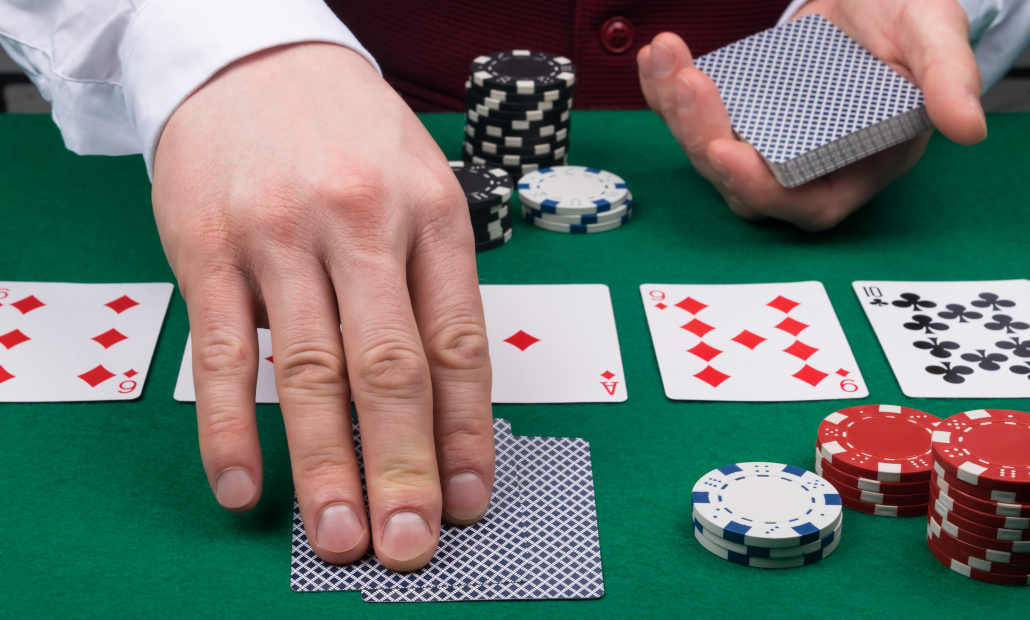
3. Play Strong Hands Fast for Maximum Value
A common mistake is slow-playing, or passively checking and calling with a very strong hand to trap an opponent. While it can work in specific situations, it often backfires. By not betting, you miss opportunities to build the pot and allow opponents with drawing hands to catch up for free.
A better poker strategy is to bet your strong hands to build the pot and extract value. This is especially true at lower stakes where players are more likely to call with weaker hands.
When is it okay to slow-play?
- When your hand is almost impossible to outdraw (e.g., top set on a non-connected, rainbow board).
- When very few turn or river cards could scare your opponent away.
- When you are confident your opponent has nothing and needs a free card to catch up.
4. Know When to Fold: A Crucial Poker Skill
Great poker players can make great folds. It's tough to let go of a hand you've invested money in, but sometimes it's the most profitable play you can make. Folding is not admitting defeat; it's preserving your chip stack for a better opportunity.
Don't let curiosity or ego force you into a bad call. If your opponent's betting pattern strongly suggests they have you beat, learn to trust your reads and fold. Every chip you save by making a good fold is just as valuable as a chip you win.

5. Learn to Bluff by Attacking Capped Ranges
Bluffing is a necessary part of any winning poker strategy, but it must be done selectively. One of the best times to bluff is when you believe your opponent has a 'capped range'—meaning their actions suggest they don't hold a premium hand.
For example, if a player raises preflop from an early position and then checks on an Ace-high flop, their range is likely capped. They probably would have bet with an Ace. This presents a prime opportunity for a bluff, as they are unlikely to be able to withstand significant pressure.

6. Protect Your A-Game: Avoid Playing Tired or Tilted
Your mental state is one of your biggest assets. The difference between winning and break-even players is often consistency. Winning players consistently play their A-game, while others let fatigue, frustration (tilt), or distractions impact their decisions.
Only play when you are well-rested, focused, and emotionally stable. It's far better to play one hour of high-quality poker than three hours of mediocre, autopilot poker. Protect your bankroll by knowing when to walk away.

7. Master Game Selection to Boost Your Win Rate
You can be a top-tier player, but if you're consistently playing against even better competition, you'll lose money. A huge part of knowing how to win at poker is choosing the right games.
As the old saying goes, 'If you can’t spot the fish at your table in the first half an hour, you are the fish.'
Always seek out games with weaker players. Ego has no place in a profitable poker strategy. Additionally, pay attention to the rake (the fee taken by the card room). Playing in games with a lower rake and good rakeback deals can significantly impact your bottom line.
8. Understand Poker Odds and Pot Odds
Poker isn't just about psychology; it's a game of mathematics. Learning basic poker odds is essential for making profitable long-term decisions. You need to know the probability of hitting your draws and compare that to the pot odds you're being offered.
Pot odds are the ratio between the size of the pot and the size of the bet you must call. If your chance of winning the hand (your equity) is greater than the pot odds, calling is a profitable play. The table below shows the probability of hitting common draws.
| Hand Draw | Outs | Turn % | River % | Turn & River % |
| Pocket pair to a set | 2 | 4.3% | 4.3% | 8.4% |
| Inside straight draw (gutshot) | 4 | 8.5% | 8.7% | 16.5% |
| Two overcards | 6 | 12.8% | 12.8% | 24.1% |
| Open-ended straight draw | 8 | 17.0% | 17.4% | 31.5% |
| Flush draw | 9 | 19.1% | 19.6% | 35.0% |
| Open-ended straight flush draw | 15 | 31.9% | 32.6% | 54.1% |
9. Specialize to Excel: Master One Poker Format
There are many poker formats: cash games, multi-table tournaments (MTTs), and Sit & Go's. Each requires a distinct strategy. While it's fine to experiment, you'll see the best results by choosing one format and dedicating yourself to mastering it.
The skills needed to succeed in a deep-stacked cash game are very different from those needed to navigate the short-stack dynamics of a late-stage tournament. It's better to be an expert in one area than average in several.

10. Slow Down and Analyze Every Decision
Many players fall into the trap of playing on autopilot, making quick decisions without fully thinking through the situation. To elevate your game, you must take your time. Before you act, consider your opponent's range, the pot size, your position, and what story your actions tell.
Even when you're not in a hand, pay attention. Analyze how others are playing. This constant mental engagement helps you develop a better thought process and spot profitable opportunities you would otherwise miss.
Final Thoughts
There is no single magic formula for how to win at poker. However, consistently applying these fundamental poker strategy tips will build a strong foundation for long-term success. As you gain experience, you'll learn how to adapt these principles to different opponents and situations, turning you into a more formidable and profitable player.


