
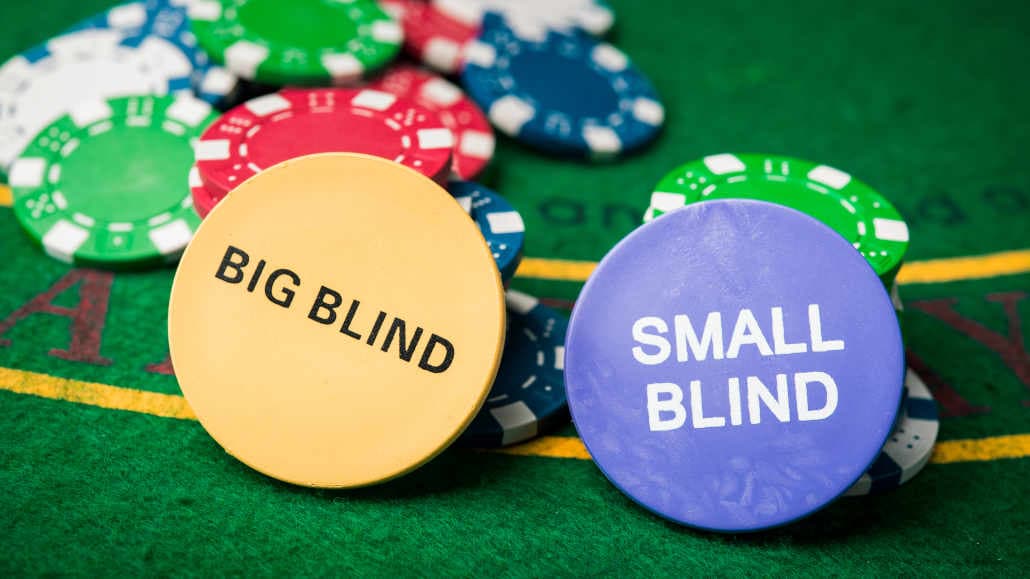


Understanding the Big Blind in Poker
In the world of poker, the big blind is a foundational rule that fuels the game's action. It is a forced bet posted by the player sitting two positions to the left of the dealer button before the cards are dealt. Without blinds, the game would be incredibly slow, as players could fold every hand with no penalty until they received pocket aces. The big blind, along with its smaller counterpart, the small blind, guarantees a starting pot for every hand.
The amount of the big blind defines the stakes of the game. For instance, in a '$1/$2 No-Limit Hold'em' game, the big blind is $2. This amount also dictates the minimum bet size for subsequent betting rounds. Understanding the dynamics of this forced bet is crucial for any aspiring poker player.
How the Big Blind Works: Position and Purpose
The big blind position is not static; it rotates clockwise around the table after each hand, along with the dealer button and the small blind. This ensures that every player pays the blinds equally over time. For example, if you are the big blind in one hand, you will be the small blind in the next, and then in the 'button' or dealer position a few hands later.
The primary purpose of this forced bet in poker is to stimulate action. Here's how it achieves that:
- Creates a Pot: The blinds provide an immediate incentive for players to enter the hand to compete for the initial money.
- Prevents Passive Play: It costs money to just sit and wait. Players must actively participate to avoid having their chip stack slowly eroded by posting blinds.
- Sets the Betting Standard: The big blind establishes the minimum amount for a pre-flop call and the minimum size of a raise.
"The blinds are the heartbeat of the game. They force confrontation and create the dynamic, strategic environment that makes poker so compelling." - Daniel Negreanu (paraphrased opinion)
Big Blind vs. Small Blind: Key Differences
While they work together, the small blind and big blind have distinct roles. The player immediately to the left of the dealer button posts the small blind, which is typically half the amount of the big blind.
| Feature | Big Blind | Small Blind |
|---|---|---|
| Position | Two seats to the left of the dealer button. | One seat to the left of the dealer button. |
| Bet Amount | The full minimum bet for the table (e.g., $2 in a $1/$2 game). | Typically half of the big blind (e.g., $1 in a $1/$2 game). |
| Pre-Flop Action | Acts last. Has the 'option' to check, bet, or raise if there are only callers. | Acts second-to-last, before the big blind. |
Strategy for Playing from the Big Blind
Playing from the big blind poker position presents unique challenges and opportunities. While you are forced to put money in the pot, you also get to act last before the flop, which provides valuable information.
Defending Your Big Blind
Because you've already invested money, you get better pot odds to call a pre-flop raise than players in other positions. This means you can profitably 'defend' your big blind by calling with a wider range of hands than you might otherwise play. However, it's crucial to balance this with the major disadvantage of being out of position after the flop, where you will have to act first in all subsequent betting rounds.
The 'Option'
If all other players before you either fold or just call (limp), the action comes to you. You now have the 'option' to either check, thus seeing the flop for free, or raise to build a bigger pot. Your decision here is a key part of your poker strategy big blind and should be based on the strength of your hand and the number of players in the pot.
In summary, the big blind is more than just a rule; it's a core mechanic that shapes the entire strategy of games like Texas Hold'em. Mastering how to play from this position is a vital step toward becoming a successful poker player.


