



What is Ultimate Texas Hold'em?
You've likely heard of Texas Hold'em, the popular poker variant seen in movies and tournaments. But what is Ultimate Texas Hold'em? While they share similarities, there's a crucial difference that changes the entire dynamic.
The biggest difference is that in Ultimate Texas Hold’em, you’re playing against the house (the dealer) rather than the other players at the table.
This transforms the game from a battle of wits against opponents into a strategic casino game. It’s important to remember that this is a game of chance where the house always has a slight edge. However, the good news is that the house edge in Ultimate Texas Hold'em is relatively low, often between 1% and 2%, making it one of the more player-friendly games on the casino floor compared to slots or The Big Six Wheel.

How to Play Ultimate Texas Hold'em: The Rules
Getting started with Ultimate Texas Hold'em is straightforward, especially if you're already familiar with poker hand rankings. If not, take a moment to memorize them, from a high card to a Royal Flush. Your goal is simple: make a better five-card poker hand than the dealer.
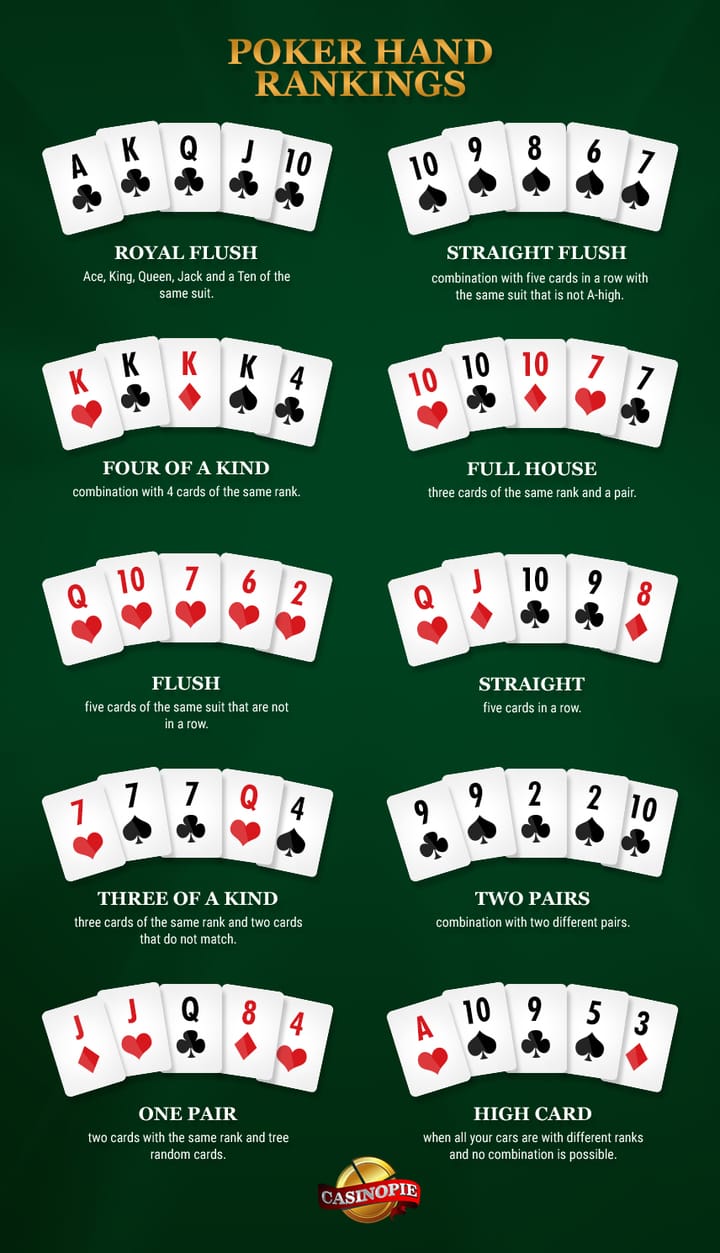
Placing Your Bets
To begin a hand, you must place two equal bets: the Ante and the Blind.
For example, on a $5 table, you would place $5 on the Ante spot and $5 on the Blind spot. There is also an optional side bet called the Trips bet. This bet pays out if your final hand is a Three of a Kind or better, regardless of whether you beat the dealer.
The Deal and Betting Rounds
Once bets are placed, you and the dealer each receive two cards face down (hole cards). After looking at your cards, you have a choice:
- Check: Pass the action to the next stage without betting.
- Bet: Place a 'Play' bet of 3x or 4x your Ante amount.
If you make a Play bet now, you cannot bet again during the hand. The dealer then reveals all five community cards (the flop, turn, and river). If you check, the dealer reveals the first three community cards (the flop). You now have a new choice:
- Check again.
- Bet 2x your Ante amount.
If you check again, the dealer reveals the final two community cards (the turn and river). At this point, you have a final decision:
- Fold: Forfeit your Ante and Blind bets.
- Bet 1x your Ante amount.
After this final betting round, you and the dealer reveal your hands to determine the winner. This is the showdown.

Understanding Ultimate Texas Hold'em Payouts
Payouts can seem complex at first, but they follow a clear structure. A key rule is that the dealer must have at least a pair to have a 'qualifying' hand. If the dealer doesn't qualify, your Ante bet is returned (a push).
Play and Ante Bet Payouts
If the dealer qualifies and your hand is better, your Play and Ante bets are paid out at 1:1. For example, a $5 Ante and a $20 Play bet would win you $25, plus your original wagers back.
Blind Bet Payouts
The Blind bet you placed at the start pays out only if you win with a Straight or better. If you win with less than a straight, the Blind bet is a push. Winning hands pay on a sliding scale:
- Straight: 1:1
- Flush: 3:2
- Full House: 3:1
- Four of a Kind: 10:1
- Straight Flush: 50:1
- Royal Flush: 500:1
Trips Bet Payouts
The optional Trips bet pays based only on the strength of your hand, even if the dealer beats you. Payouts vary by casino but are typically:
- Three of a Kind: 3:1
- Straight: 4:1
- Flush: 7:1
- Full House: 9:1
- Four of a Kind: 30:1
- Straight Flush: 40:1
- Royal Flush: 50:1
Basic Ultimate Texas Hold'em Strategy
While luck is a factor, a solid strategy can lower the house edge. The most important decision is your first one: whether to bet 4x pre-flop or to check.
Pre-Flop Strategy
An optimal pre-flop strategy involves raising 4x with a strong range of hands. It's generally best to always raise 4x or check, as the 3x raise is a less optimal play. You should raise 4x with:
- Any hand containing an Ace
- Any King with a 5 or higher (K5o+), or any suited King (K2s+)
- A Queen with an 8 or higher (Q8o+), or Q6s/Q7s
- A Jack with a 10 (JTo) or a suited 8 or higher (J8s+)
- Any pair of 3s or better
Post-Flop Strategy
If you checked pre-flop, you should bet 2x on the flop if you have:
- Two pair or better.
- A hidden pair (one of your hole cards matches a card on the flop) that is higher than a pair of 2s.
- A flush draw with at least four cards of the same suit.
On the river, you should bet 1x if you have a hidden pair or better. You should also bet if the dealer has fewer than 21 'outs' (cards that could complete their hand to beat yours).
Final Thoughts
Ultimate Texas Hold'em is an exciting and engaging casino game that offers a great alternative for both poker fans and newcomers. It provides the thrill of poker hand rankings without the pressure of bluffing or reading other players. By understanding the rules and applying a basic strategy, you can make informed decisions, manage your bankroll, and have a fantastic time at the tables.


