


What is Spanish 21?
Spanish 21 is a popular variation of blackjack that offers players more liberal rules and a variety of bonus payouts. Many players compare it to a traditional blackjack game infused with the thrilling payout potential of a slot machine. The primary appeal lies in its unique twists that can lead to significantly higher winnings than standard blackjack.
However, before jumping in, it's crucial to understand the distinct Spanish 21 rules that set it apart from the classic version. These differences are what make the game both challenging and rewarding.
Spanish 21 vs. Blackjack: What Are the Differences?
While Spanish 21 shares its core objective with blackjack (get closer to 21 than the dealer without busting), several fundamental differences change the game's strategy and dynamics.
- No 10s: The most significant difference is that all four 10-spot cards are removed from each deck. This means games are played with 48-card Spanish decks, typically in a six or eight-deck shoe.
- Player 21 Always Wins: A player's hand totaling 21 is an automatic winner. This holds true even if the dealer also has 21, eliminating the concept of a push on this hand.
- Bonus Payouts: Spanish 21 features several bonus payouts for specific 21-point hands, adding an extra layer of excitement. These include:
- Five-Card 21: Pays 3:2
- Six-Card 21: Pays 2:1
- Seven-Card 21: Pays 3:1
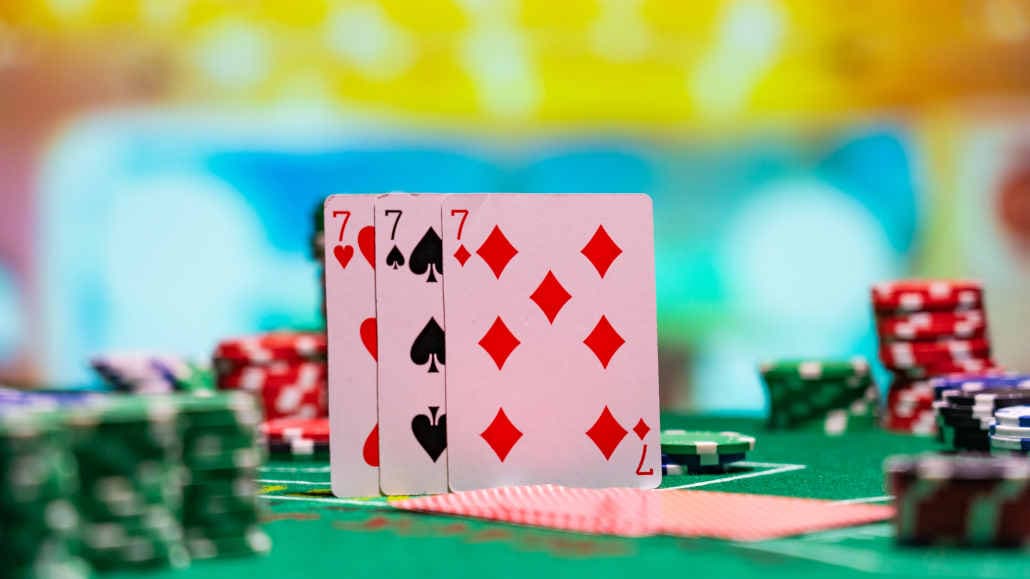
- 6-7-8 or 7-7-7 of mixed suits: Pays 3:2
- 6-7-8 or 7-7-7 of the same suit (except spades): Pays 2:1
- 6-7-8 or 7-7-7 of spades: Pays 3:1
- Player-Friendly Rules: Players can double down on any number of cards, re-split Aces, and often benefit from a late surrender option.
How to Play Spanish 21: The Basic Rules
Learning how to play Spanish 21 is straightforward if you're familiar with blackjack. The game begins with players placing their bets. The dealer then deals two cards face-up to each player and one card face-up and one face-down for themselves.
If you have a blackjack (21 on the first two cards), you are paid immediately. As mentioned, a player's 21 always wins and cannot push.
If the dealer's upcard is an Ace, players are offered insurance, though this is generally not a recommended bet due to its high house edge. If the dealer's upcard is a face card or an Ace, they will check for blackjack. If they have it, all remaining player hands lose. If not, the round continues.
Players then act on their hands with the following options:
- Hit: Take another card.
- Stand: Keep your current hand.
- Double Down: Double your initial bet and receive one more card. This can be done after splitting and on any number of cards.
- Split: If you have a pair, you can place an additional bet to split them into two separate hands. Aces can be re-split.
- Surrender: Forfeit half your bet and end your hand. This is typically a 'late surrender' option, available after the dealer checks for blackjack.
Once all players have acted, the dealer reveals their hole card and plays their hand according to house rules (usually hitting on 16 and standing on 17). Payouts are then determined based on who has the higher hand total.
Quick Tips for Your Spanish 21 Strategy
Success in Spanish 21 requires a mix of luck and solid strategy. Here are some essential tips to help improve your game.
1. Use a Spanish 21 Strategy Chart
Beginners should always use a strategy chart specifically designed for Spanish 21. A standard blackjack chart will lead to incorrect plays because of the missing 10s. A proper chart guides you on the optimal move for every possible hand combination.
2. Know When to Hit and Stand
Some rules are universal. You should always hit on a hard total of 8 or less, as you cannot bust. Conversely, you should always stand on a hard total of 17 or more, as the risk of busting is too high. The only exception is surrendering a hard 17 against a dealer's Ace.
3. Master Splitting Pairs
Knowing when to split is a crucial part of any Spanish 21 strategy. While a chart is best, here are some key guidelines:
- Pair of 8s & Aces: Always split these. The only exception is to surrender 8s against a dealer's Ace.
- Pair of 9s: Split against a dealer's 2 through 6, 8, and 9. Stand against a 7, 10, or Ace.
- Pair of 4s: Never split this pair; always hit.
4. Avoid the 'Match the Dealer' Side Bet
The 'Match the Dealer' side bet pays if one or both of your initial cards match the dealer's upcard. While payouts can be attractive (from 4:1 to 18:1), this bet significantly increases the house edge to over 3%. For long-term success, it's best to avoid side bets and focus on the main game, where optimal strategy can lower the house edge to under 1%.
Is Spanish 21 the Right Game for You?
If you enjoy classic blackjack but are looking for more dynamic gameplay and bonus opportunities, Spanish 21 is an excellent choice. The altered rules require a different strategic approach, but the learning curve is manageable for experienced players.
By using the tips outlined in this guide and a dedicated strategy chart, you can navigate the unique challenges of the game. Trying Spanish 21 could open up a new level of fun and success at the casino tables.


