


What Defines the Casino Floor?
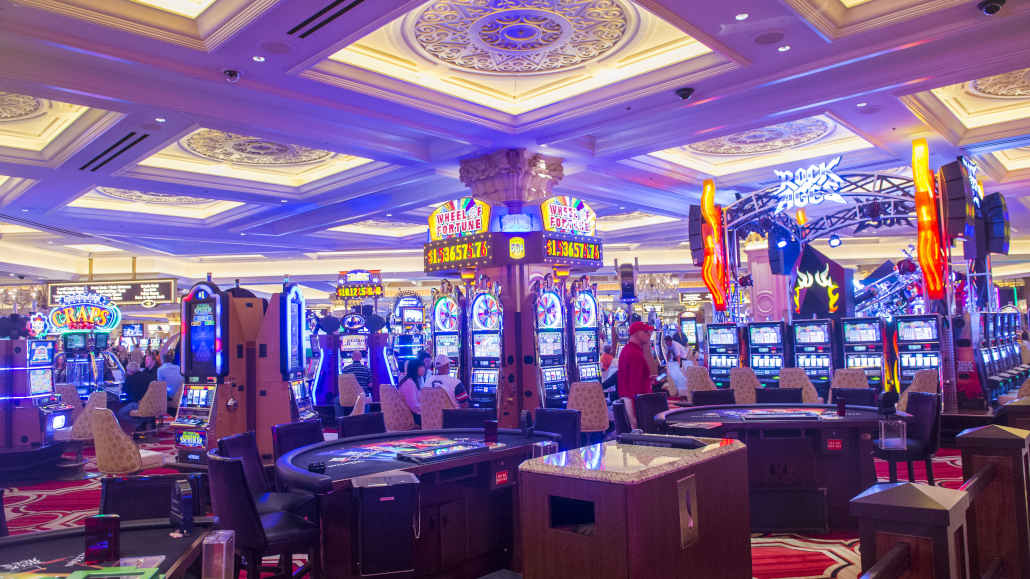
When you step into a large casino resort, you're entering a world of entertainment, dining, and lodging. However, the term casino floor refers specifically to one area: the gaming space where all the wagering happens. This is the core of the operation, the section that houses every slot machine, video poker terminal, and live-dealer table game. It's deliberately separated from restaurants, bars, showrooms, and hotel lobbies, creating a dedicated environment for gambling.
In smaller venues, the casino floor might be a single room. In massive Las Vegas or Macau resorts, it can be a vast, multi-level expanse with different sections, or even several distinct casino floors catering to different types of players. Asking a staff member for directions to the casino floor will always lead you to the heart of the action.
Key Components of a Modern Casino Floor
A typical casino gaming floor is a carefully organized ecosystem designed for maximum player engagement. It's generally divided into several key areas.
The Slot Machine Zone
Often the largest part of any casino floor, the slot machine area is a sea of bright lights and captivating sounds. Here you will find hundreds or thousands of machines, including:
- Classic Reels: Simple, traditional three-reel slots.
- Video Slots: Modern games with complex graphics, bonus rounds, and themes.
- Progressive Jackpots: Networks of machines linked to a single, massive jackpot that grows with every spin.
Table Game Pits
The table games section is organized into 'pits'. A pit is a cluster of gaming tables arranged in a circle or oval, with the dealers on the inside and players on the outside. This layout allows a single supervisor, known as a pit boss, to oversee multiple games at once. Common games found in these pits include Blackjack, Roulette, Craps, Baccarat, and various forms of casino poker like Three Card Poker.
High-Limit Rooms
For high rollers, casinos offer exclusive high-limit rooms. These areas are often roped off from the main casino floor and provide a more private, luxurious gaming experience. The betting minimums are significantly higher, but so is the level of service, with dedicated staff and premium amenities.
The Psychology of Casino Floor Design
The layout of a casino floor is no accident. Every element, from the carpet to the ceiling, is part of a deliberate strategy to keep players engaged and comfortable. This intentional casino design often incorporates a maze-like structure with winding pathways, making it easy to get lost among the games and hard to find an exit. This encourages exploration and exposes players to more gaming options.
"The ultimate goal of casino design is to create a captivating environment where time seems to stand still. By controlling light, sound, and spatial flow, we can craft an experience that keeps players focused on the excitement of the game."
Furthermore, you'll rarely find windows or clocks on a casino floor. This tactic helps create a timeless atmosphere, removing external cues that might signal it's time to leave. The constant symphony of bells, music, and chatter is also engineered to build excitement and create a sense of constant winning.
Navigating the Gaming Space
For a newcomer, the casino floor can feel overwhelming. The key is to take your time and get oriented. Look for overhead signs that direct you to different game types, the cashier's cage (where you cash in chips), and restrooms. Don't hesitate to ask any employee for help; dealers, security guards, and cocktail servers are all usually happy to point you in the right direction. Understanding the layout of the casino gaming floor is your first step to a more confident and enjoyable experience.


