
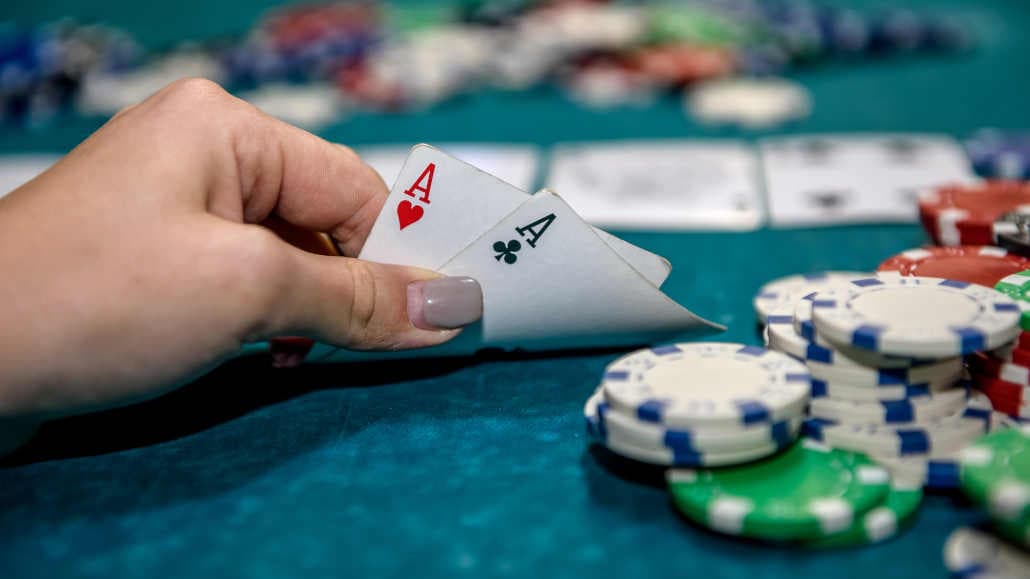


Defining an Overpair in Poker
The term overpair is fundamental in community card games like Texas Hold'em and Omaha. It describes a specific, advantageous situation where your starting hand is a pocket pair, and both of your cards are higher in value than any of the cards revealed on the flop. This hand is stronger than 'top pair,' where a player matches one of their hole cards with the highest card on the board.
For example, if you are holding pocket Kings (K♠ K♥) and the flop comes J♦ 8♣ 3♠, you have an overpair. Your Kings are higher than the Jack, the highest card on the board. This immediately puts you in a strong position, as you beat any player who has a single Jack for top pair, a single 8 for middle pair, or any ace-high hand.
The Power and Position of an Overpair
Holding an overpair post-flop is a highly desirable spot. You have a made hand that is difficult for opponents to beat without a very specific combination of cards. The primary goal when you have an overpair is to extract the maximum value from opponents holding weaker hands, such as top pair or strong drawing hands.
Expert players understand that an overpair is a prime opportunity for value betting. The key is to size your bets correctly to get calls from worse hands without scaring them away or giving drawing hands the right price to continue.
Strategic Approaches to Playing an Overpair
While having an overpair is great, playing it correctly is what separates novice players from sharks. Your strategy should adapt based on the board texture, your position, and your opponents' tendencies.
Playing on Dry, Uncoordinated Boards
A dry board is one with disconnected cards and multiple suits, offering few straight or flush possibilities. For example, a K♦ 7♠ 2♥ flop. If you hold pocket Aces, this is a perfect scenario. Your strategy here is straightforward:
- Bet for Value: You should almost always lead out with a bet (a continuation bet). This builds the pot and gets value from hands like K-Q or pocket Jacks.
- Force Weaker Hands Out: Your bet can also protect your hand by making it incorrect for hands with minimal equity (like two overcards) to continue.
Navigating Wet, Coordinated Boards
A wet board is the opposite; it's rich with drawing possibilities. Imagine you hold pocket Queens (Q♦ Q♣) and the flop is J♥ 10♥ 4♠. This board is much more dangerous. It presents immediate straight draws (for hands like K-9) and flush draws.
On these boards, you must proceed with more caution:
- Pot Control: While betting is still often correct, you might consider betting a smaller size. This helps control the size of the pot in case an opponent hits their draw on a later street.
- Evaluate Your Opponent: If you face a lot of aggression, like a check-raise, you must re-evaluate. Your overpair is still strong, but it's much more likely an opponent has connected with the board in a big way (e.g., two pair, a set, or a combo draw).
Common Mistakes to Avoid
Players often make two critical errors when holding an overpair. Recognizing these can save you a lot of chips.
- Getting Married to Your Hand: This is the most common mistake. Players fall in love with their pocket Aces or Kings and refuse to fold, even when the board development and opponent's actions scream that they are beaten. A skilled player knows when to let go of a strong hand.
- Playing Too Passively (Slow Playing): The opposite error is not betting strongly enough. By checking or just calling, you give opponents with drawing hands a free or cheap card to hit their hand and beat you. An overpair benefits from building the pot and protecting its equity.
Mastering the art of playing an overpair is about balancing aggression with caution. It is a powerful poker hand that can win you big pots, but its vulnerability to hidden monster hands requires constant awareness and the ability to adapt your strategy. By understanding the board texture and your opponents, you can confidently navigate these situations and maximize your winnings.


