
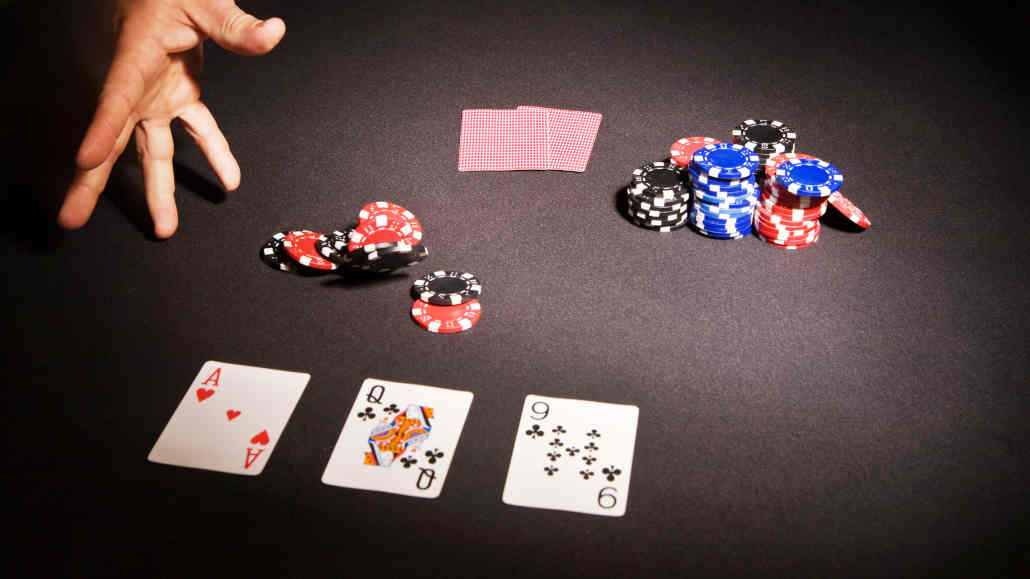


Understanding the Runner-Runner Poker Hand
The term runner-runner poker refers to a specific and often surprising scenario in community card games like Texas Hold'em and Omaha. It occurs when a player's hand is weak after the flop but becomes strong by catching two consecutive, necessary cards on the turn and river. This is why it's also called a 'backdoor draw' – you're essentially sneaking into a winning hand through the back door.
Imagine you hold two cards of the same suit, and only one card of that suit appears on the flop. You have a three-card flush. To complete your flush, you need the turn card AND the river card to be of that same suit. Hitting this combination is a classic example of a runner-runner flush.
Common Runner-Runner Scenarios
While any hand can technically be made via a runner-runner, the most common instances involve straights and flushes. These draws require a specific sequence of cards, making them both rare and very deceptive.
The Runner-Runner Flush
Let's break down a runner-runner flush example:
- Your Hand: A♠ K♠
- The Flop: J♠ 7♣ 2♦
At this point, you have a flush draw, but it's a backdoor one. You need two more spades to make the nut flush. If the Turn is the Q♠ and the River is the 4♠, you have completed your runner-runner flush. Your opponents, who may have been confident with a pair or two pair, are unlikely to have suspected you were drawing to a flush.
The Runner-Runner Straight
A similar logic applies to straights. Let's look at what is a runner-runner straight:
- Your Hand: 8♥ 7♥
- The Flop: A♦ K♣ 6♠
Your hand looks weak. However, if the Turn comes 5♦ and the River is a 9♣, you've made a runner-runner straight (5-6-7-8-9). This is an incredibly disguised hand that can win you a massive pot.
In poker, chasing a runner-runner is often a sign of an inexperienced player. However, in the right context, with deep stacks and passive opponents, it can be a powerful, deceptive play that pays off handsomely.
Strategy: When to Chase a Backdoor Draw
Chasing a runner-runner poker draw is generally not recommended from a purely mathematical standpoint. The odds are long. A backdoor flush draw, for example, has only about a 4% chance of completing. However, poker is a game of people and situations, not just numbers.
Consider chasing when:
- You have implied odds: If you believe you can win a very large pot from your opponent if you hit your hand, it might be worth the small investment.
- The bet is small: If you can see the turn card for cheap, it's less risky to continue with your backdoor draw.
- Your hand has other potential: If your hole cards are high (like Ace-King), they might win at showdown even if your draw misses.
Pot Odds vs. Implied Odds for Runner-Runner Draws
| Factor | Standard Draw (e.g., Four to a Flush) | Backdoor Draw (e.g., Three to a Flush) |
|---|---|---|
| Cards Needed | 1 | 2 |
| Approx. Probability (Post-Flop) | ~35% | ~4% |
| Pot Odds Requirement | Moderate | Extremely High |
| Strategic Value | Obvious to opponents | Highly deceptive |
Ultimately, the runner-runner meaning in strategy is one of high risk and high reward. It's a tool to have in your arsenal, but one that should be used sparingly and in the right circumstances. Over-relying on these long-shot draws is a quick way to lose your chip stack.


