


What is an Up Card in Casino Games?
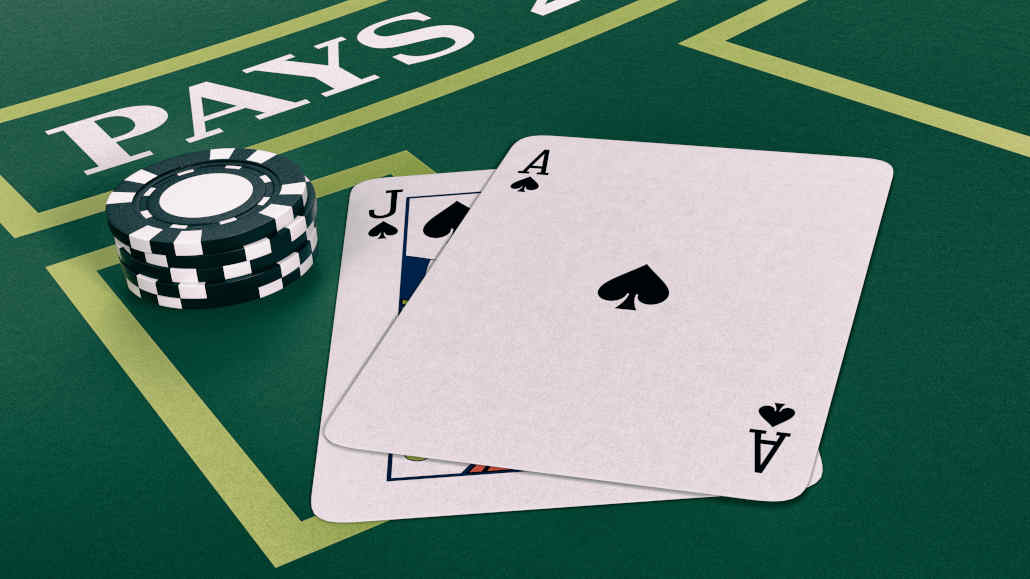
In the world of casino table games, the term up card refers to any card dealt face-up, visible to all players at the table. Its most significant role is in Blackjack, where it refers specifically to the dealer's single exposed card. This card is dealt alongside a face-down card, known as the hole card, which remains hidden until the end of the round.
The up card is the foundation upon which all strategic decisions are built. It provides a partial, yet critical, glimpse into the potential strength of the dealer's hand, allowing players to calculate risks and make educated choices about their own hands. While most commonly associated with Blackjack, the concept also appears in poker variations like Seven-Card Stud, where players themselves receive a combination of face-up and face-down cards.
Up Card vs. Hole Card
It's vital to distinguish between the up card and the hole card. The up card is public information, designed to guide the game's flow. The hole card, whether it belongs to the dealer in Blackjack or a player in poker, is private information. The dynamic between what is known (up cards) and what is unknown (hole cards) creates the strategic tension in these classic casino games.
The Up Card's Critical Role in Blackjack Strategy
In Blackjack, the dealer's up card isn't just a piece of information; it's the centerpiece of the game's strategy. Every decision a player makes, from the initial deal to the final action, should be weighed against the value of that one visible card. Basic strategy charts, which provide the mathematically optimal play for every situation, are organized based on the player's hand versus the dealer's up card.
Knowing how to react to the dealer's up card separates novice players from seasoned veterans. It transforms a game of pure chance into one of calculated skill and probability.
The up card's value can be categorized into two main groups:
- Weak Dealer Cards (2 through 6): These are often called 'bust cards' because the dealer has a higher probability of exceeding 21 when they are forced to hit. When you see a weak up card, it's often wise to be more aggressive with doubling down or splitting pairs to maximize your potential payout.
- Strong Dealer Cards (7 through Ace): When the dealer shows a strong card, their likelihood of achieving a high total (17-21) increases significantly. In these situations, players should adopt a more conservative approach, hitting until they reach a competitive total of 17 or more, and avoiding risky plays like doubling down on weaker hands.
How to Adjust Your Play Based on the Dealer's Up Card
Understanding the fundamental adjustments is key. While a full basic strategy chart is complex, a simple table can illustrate the core concept.
| Dealer's Up Card | General Player Strategy | Reasoning |
|---|---|---|
| 2, 3, 4, 5, 6 | Be more aggressive. Stand on lower totals (12-16), double down more often, and split more pairs. | The dealer is more likely to bust. Your goal is to have a bet on the table for when that happens, without risking busting yourself. |
| 7, 8, 9, 10, Ace | Be more conservative. Hit until you reach a total of 17 or higher. Avoid standing on weak hands. | The dealer is likely to make a strong hand. You must improve your own hand to have a chance of winning. |
The Up Card in Poker Variations
While Blackjack is its primary home, the concept of an up card is also central to poker games like Seven-Card Stud. In this game, each player receives a series of cards, some face-down (hole cards) and some face-up (up cards). These exposed cards serve two purposes:
- They help form your final five-card hand.
- They provide information to your opponents about the potential strength of your hand.
If a player's up cards show four cards to a flush, for example, other players will be wary. Unlike in Blackjack where you react to the dealer's card, in Stud poker, everyone is reacting to everyone else's visible face-up cards, adding layers of bluffing and strategic complexity. This is fundamentally different from community card games like Texas Hold'em, where cards in the middle of the table are shared by all players.


