


Understanding Poker Table Positions
Your poker position is your seat relative to the dealer button. It's a core concept that influences every decision you make, from which hands you play pre-flop to how you navigate later streets. Without a solid grasp of poker positions, becoming a winning player is nearly impossible. Let's explore the positions at a standard nine-handed table.
Before diving in, it's crucial to understand three key roles:
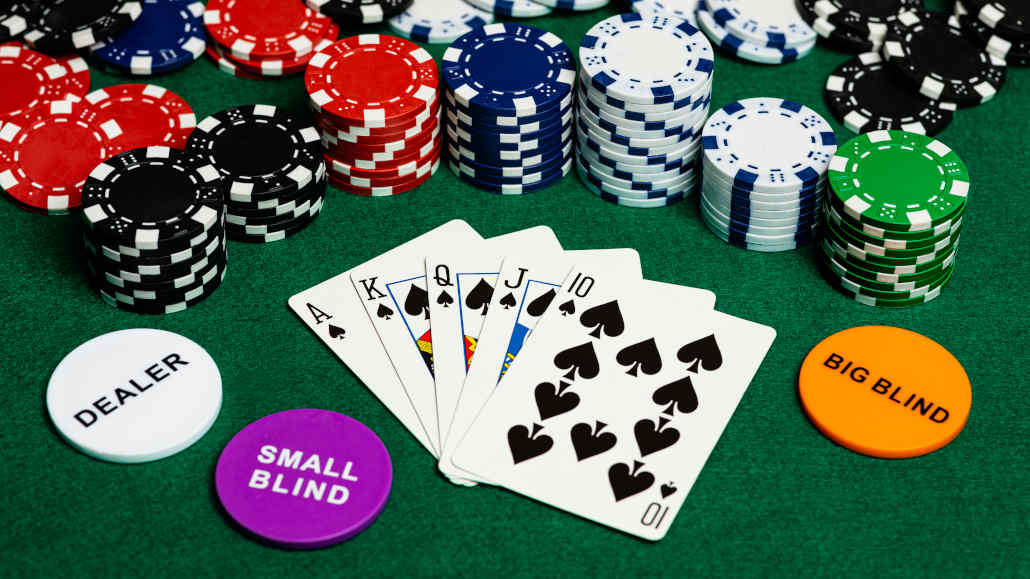
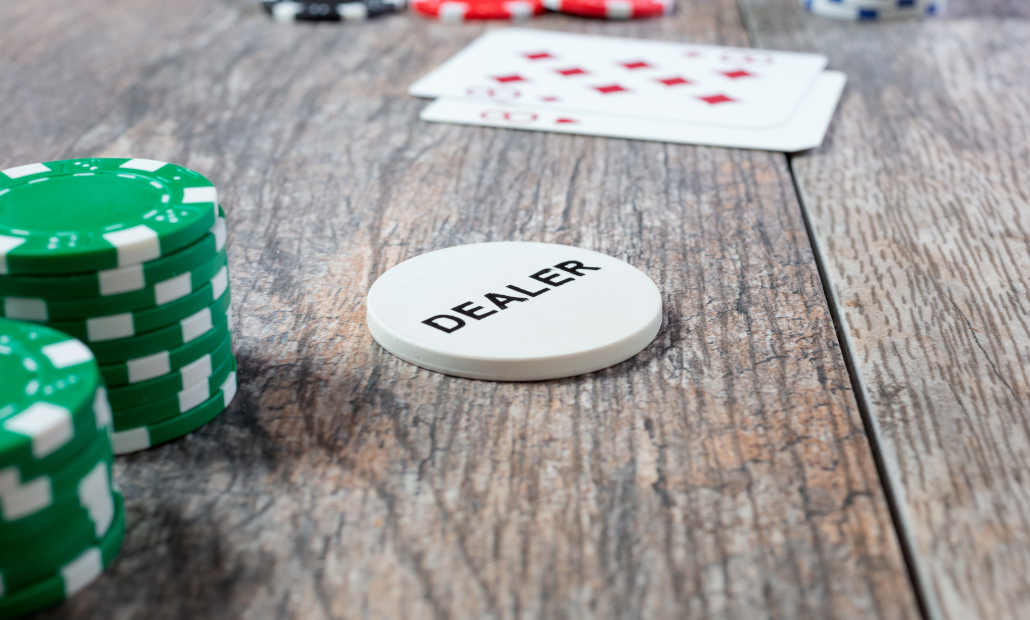
- The Button (BTN): Marked by a disc, this player acts last after the flop, giving them a significant strategic advantage.
- The Small Blind (SB): Seated to the left of the button, this player posts a mandatory small bet and acts first after the flop.
- The Big Blind (BB): To the left of the small blind, this player posts a larger mandatory bet and acts second-to-last pre-flop but second after the flop.
The button and blinds rotate one spot to the left after each hand, ensuring every player experiences each position.
Early Positions (UTG, UTG+1, UTG+2)
The first three players to act before the flop are in early position. They are "Under the Gun" (UTG), UTG+1, and UTG+2. Acting first means you have the least amount of information about your opponents' hands. Because several players are yet to act behind you, there's a higher risk someone holds a premium hand. Therefore, you must play a very tight and strong range of hands from these seats.
Middle Positions (Lojack & Hijack)
Next are the Lojack (LJ) and Hijack (HJ). These are known as the middle positions. With fewer players left to act, you can start to open up your range of playable hands compared to early position. The Hijack is particularly notable because it has a chance to "hijack" the betting lead from the powerful late positions.
Late Positions (Cutoff & Button)
The Cutoff (CO) and the Button (BTN) are the late positions and the most profitable seats at the table. The Button is the single best position in poker because you are guaranteed to act last on the flop, turn, and river. This positional advantage allows you to play the widest range of hands, bluff more effectively, and control the size of the pot. The Cutoff is the second-best position for the same reasons.
The Small Blind & Big Blind Explained
The Small Blind (SB) and Big Blind (BB) are considered the worst poker positions. Despite acting last pre-flop, they are forced to act first on all subsequent betting rounds. This is a massive disadvantage. Furthermore, they are compelled to put money into the pot before seeing their cards, which eats into their profits over time. Even the best players in the world lose money from the blinds long-term; the goal is simply to lose less than your opponents.
Poker Positions at a 6-Max Table
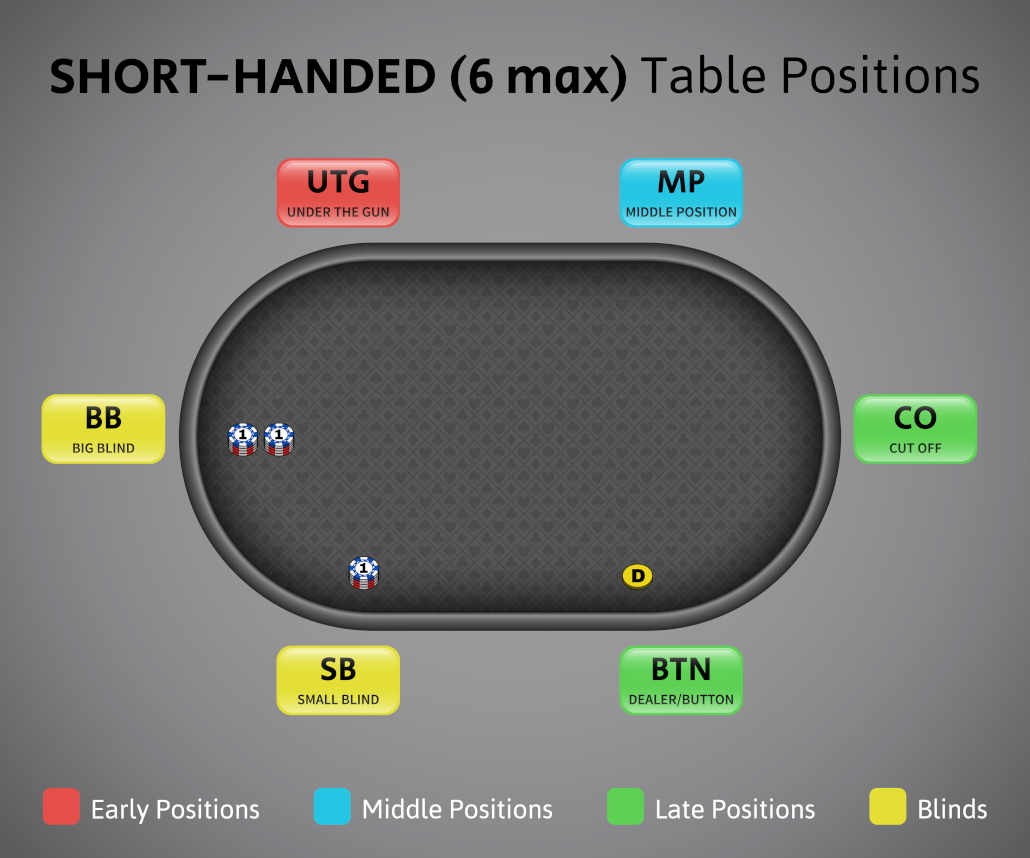
Online poker often features 6-max tables. With fewer players, the dynamics change. The early positions of a nine-handed game are removed, making the action looser and more aggressive.
- Under The Gun (UTG): First to act pre-flop (early position).
- Hijack (HJ): Second to act (middle position).
- Cutoff (CO): Third to act (late position).
- Button (BTN): Fourth to act (best late position).
- Small Blind (SB): Fifth to act.
- Big Blind (BB): Last to act pre-flop.
Because there are fewer opponents, the starting hand requirements are much wider in 6-max. For example, the UTG player in a 6-max game can play a range similar to the Lojack in a full-ring game.
The Strategic Advantage of Position In Poker
Being "in position" (IP) means you are the last to act in a betting round. Being "out of position" (OOP) means you act first. The advantage of position in poker is immense and multifaceted.
1. More Information
The primary advantage is information. By acting last, you get to see what every other player does before making your decision. Did they check, bet, or raise? This information gives you clues about their hand strength, allowing you to make more accurate and profitable choices.
2. Pot Control
Acting last gives you the final say on the size of the pot. If you have a monster hand, you can bet to build a big pot. If you have a marginal hand or a draw, you can check behind to keep the pot small and see a free or cheap card.
3. Bluffing Opportunities
It's much easier to bluff when you're in position. When your opponents check to you, it often signals weakness. This gives you a prime opportunity to bet and take down the pot, regardless of your own holding.
4. Value Extraction
When you have a strong hand, being in position makes it easier to extract the maximum value. You can see how your opponent reacts to the board and choose the optimal bet size on the river. When out of position, you might check the river, and your opponent could check behind with a hand that would have called a bet, costing you value.
Poker is a game of incomplete information. Playing in position gives you the most information possible, which is the biggest edge you can have.
As you can see, understanding and leveraging poker positions is not just a tip; it's a cornerstone of winning strategy. Always be aware of your position and adjust your play accordingly to maximize your success at the tables.


