
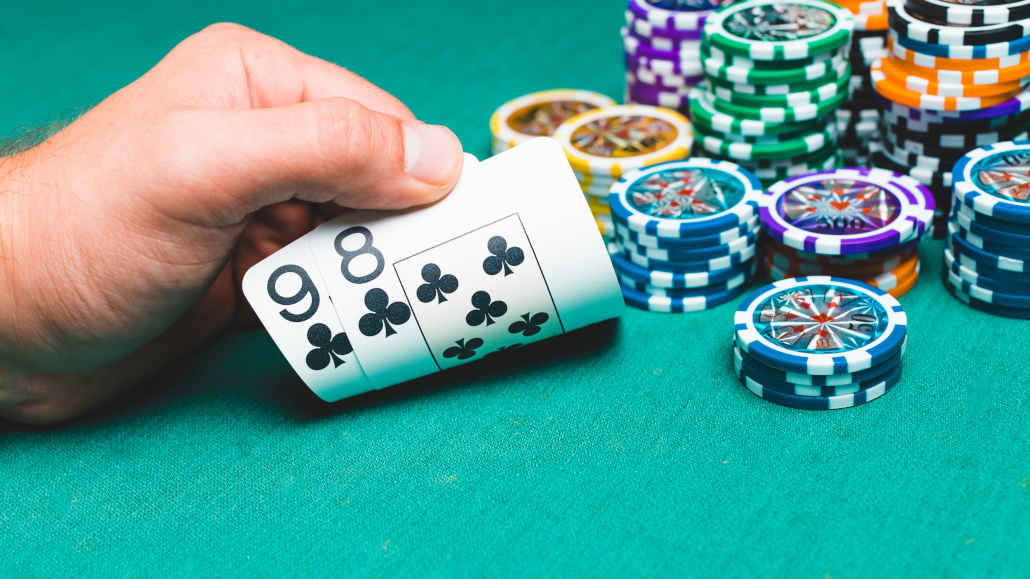


What Are Poker Connectors?
In the world of poker, particularly Texas Hold'em, the term poker connectors refers to a starting hand containing two cards of consecutive rank. For example, a hand like 5-6 or Jack-Queen falls into this category. While they don't have immediate high-card strength like pocket Aces or Kings, their true power lies in their potential. These hands are primarily drawing hands, meaning they are played with the hope of improving significantly on the flop, turn, or river.
The Power of Potential: Straights and Flushes
The main appeal of connectors is their ability to form straights. A hand like 7♠ 8♥ has eight direct outs to a straight on the flop (the four 5s and four 9s). If the community cards cooperate, you can build an incredibly powerful and often well-disguised hand that can win a massive pot from an opponent holding a strong top pair or two-pair hand.
Types of Connectors in Poker
Not all connectors are created equal. Their value changes dramatically based on whether they share a suit or have gaps between their ranks. Understanding these distinctions is crucial for knowing how to play connectors effectively.
Suited Connectors
Suited connectors are the most prized type of connecting cards. This refers to two consecutive cards of the same suit, such as 7♦️ 8♦️. These hands are powerful because they have the potential to make both a straight and a flush. This dual threat gives you more ways to win a pot and allows you to play more aggressively on draws, as you often have a combination of straight and flush draws simultaneously (a 'combo draw').
Offsuit Connectors
Offsuit connectors are consecutive cards of different suits, like 9♣️ 10♠. While they lack the flush potential of their suited counterparts, they still retain the ability to form straights. They are considered weaker than suited connectors and should be played more cautiously, typically only in late position or in unraised pots.
Gapped Connectors
Gapped connectors, or 'gappers', are hands with one or more ranks separating the cards. A 'one-gapper' would be a hand like 7-9, while a 'two-gapper' would be 7-10. The more gaps there are, the harder it is to complete a straight, significantly reducing the hand's value. While a hand like 8-10 can still make a straight (needing a 9), it has fewer combinations to do so compared to a direct connector like 8-9.
Expert Tip: "Connectors are drawing hands. You're not playing them for their high-card value; you're playing them for the massive pots you can win when you hit a straight or a flush. Success requires discipline and the right situation."
How to Play Poker Connectors Effectively
Mastering poker connectors requires more than just knowing what they are. Strategy involves position, opponent tendencies, and pot size.
The Importance of Position
Position is everything when playing connectors. These hands are best played from late position (like the button or cutoff). This allows you to see how your opponents act before you have to make a decision, giving you more information. You can often see a cheap flop and decide whether your hand is worth continuing with.
Playing in Multi-Way Pots
Connectors thrive in pots with multiple players. The more players who see the flop, the bigger the potential pot size. This gives you better 'implied odds' – the amount you expect to win if you hit your hand. Winning a small pot when you miss isn't the goal; winning a huge pot when you hit your straight or flush is.
Knowing When to Fold
The biggest mistake players make with connectors is falling in love with them. If you see a flop and it doesn't improve your hand or give you a strong draw, you should usually fold in the face of aggression. Don't chase a hopeless draw; the cost of seeing the turn and river can quickly eat away at your chip stack.
Common Mistakes to Avoid
Avoid overvaluing your hand pre-flop. A hand like 6-7 suited looks appealing, but it's a significant underdog against most big pairs and high-card hands. Another common pitfall is chasing a draw without the correct pot odds. Always assess if the potential reward of hitting your hand justifies the cost of calling a bet.


