
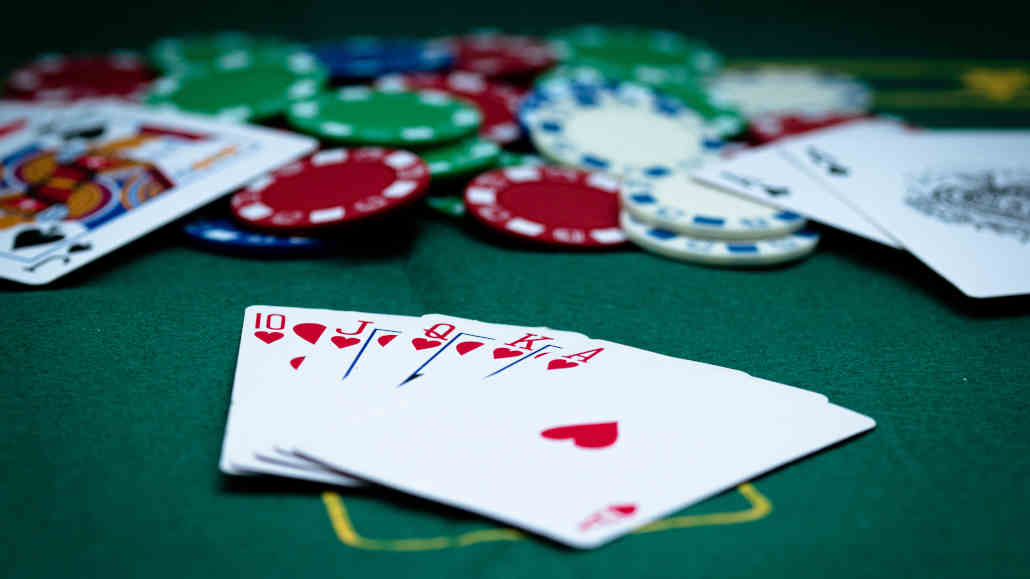


What Are Face Up Cards in Casino Games?
Face up cards are a core mechanic in many casino table games, referring to any card dealt so that its rank and suit are visible to everyone playing. They are the opposite of 'face down' or 'hole' cards, which are private information known only to the player holding them. This element of public knowledge is not just a procedural detail; it's the foundation upon which complex strategies are built, allowing players to make calculated decisions based on partial information about their opponents' hands or the dealer's position.
The Dealer's Upcard: A Key to Blackjack Strategy
In Blackjack, the concept of the face up card is most prominently seen with the dealer's hand. At the start of a round, the dealer receives two cards, one face up (the 'upcard') and one face down. This single upcard is the most important piece of information a player has.
An expert player's entire strategy revolves around the dealer's upcard. It signals the potential strength of the dealer's final hand and dictates the mathematically correct play for the player.
For example:
- If the dealer's upcard is weak (a 2 through 6), they have a higher probability of busting. In this scenario, players are advised to be more conservative and avoid risking a bust themselves. Standing on lower totals like 12 or 13 becomes a viable strategy.
- If the dealer shows a strong upcard (a 7 through Ace), they are more likely to achieve a high total. This puts pressure on the player to hit and try to improve their own hand to a competitive total, typically 17 or higher.
Understanding how to react to the dealer's face up card is the cornerstone of basic blackjack strategy.
Community Cards: The Heart of Modern Poker
In poker variants like Texas Hold'em and Omaha, face up cards form the 'community cards' or the 'board.' These cards are shared by all players and are dealt in stages: the flop (three cards), the turn (one card), and the river (one card).
These community cards are public information that everyone uses in conjunction with their private hole cards to construct the best possible five-card hand. The strategic depth of poker comes from interpreting these face up cards:
- Calculating Odds: Players use the board to calculate their odds of hitting a winning hand (making a flush, straight, etc.).
- Assessing Hand Strength: The texture of the board (e.g., are there three cards of the same suit?) helps players evaluate the strength of their current hand and the potential hands their opponents might hold.
- Reading Opponents: How a player bets in relation to the community cards provides clues about the strength of their private holding.
Face Up Cards in Other Games
While most prominent in Blackjack and Poker, face up cards appear in other casino games as well. In Baccarat, cards for both the 'Player' and 'Banker' hands are dealt face up according to strict rules, determining the outcome with no player decisions after the initial bet. Some modern variations, like Face Up Pai Gow Poker, are built entirely around the concept of revealing the dealer's hand from the start, completely changing the game's strategy.
Ultimately, face up cards create a dynamic balance between known and unknown information. Mastering any casino card game requires a deep understanding of how to interpret this visible information and use it to gain a strategic edge.


